Quick Summary
After a DWI arrest, Minnesota may require special license plates, often called MN License Plates For DUI, as part of the DUI sanctions that MN drivers face. These plates are typically assigned when driving privileges are restricted or reinstated under certain conditions. Understanding when the conditions apply and how they are issued helps you know what to expect after a DWI arrest.
A DWI arrest in Minnesota can affect more than just your court case. It can also impact your ability to drive and the type of license plates you are required to use. Many drivers are surprised to learn that MN License Plates For DUI, commonly known as special registration plates, may be required as part of the process.
DWI Lawyer Minnesota assists in understanding how DUI sanctions MN laws apply after an arrest, including license consequences and vehicle restrictions. Knowing how these plates are assigned and when they are required can help you better prepare for what comes next.
What MN License Plates for DUI Actually Are
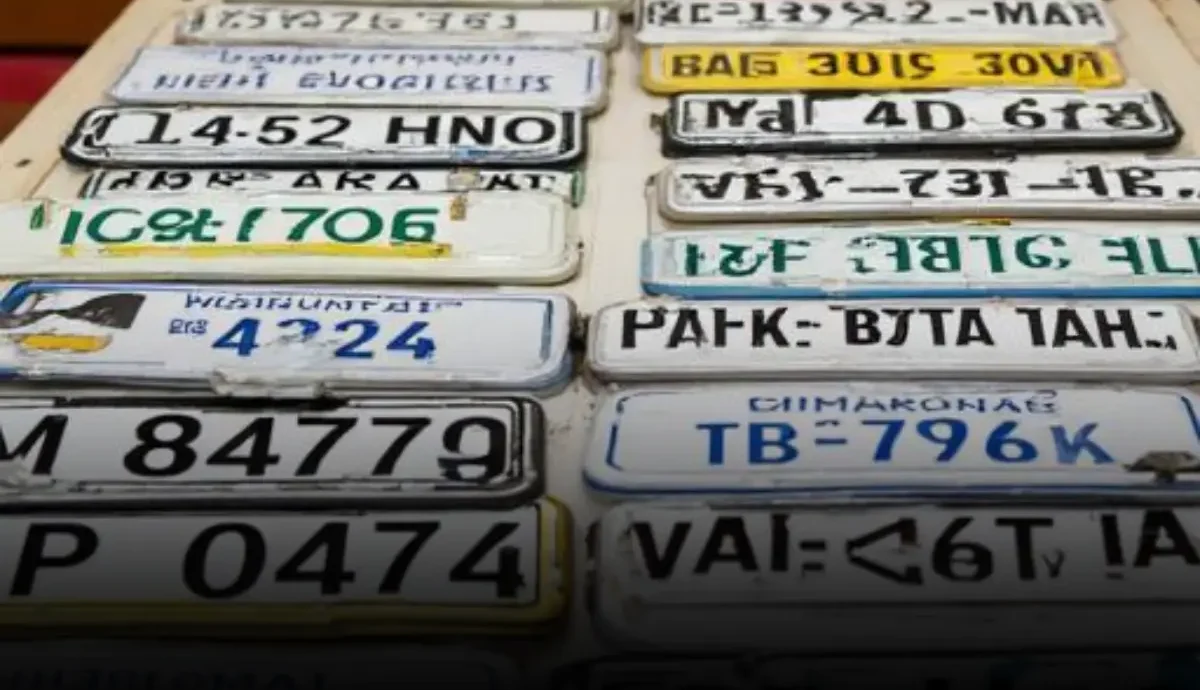
MN license plates for DUI refer to special registration plates issued after license plate impoundment. These plates usually start with a “W,” which is why they are commonly called whiskey plates.
They are assigned when the state restricts standard vehicle registration due to certain DWI-related violations.
These plates:
- Replace your standard license plates
- Must be displayed on any vehicle you drive or own
- Are issued through the Minnesota Driver and Vehicle Services (DVS)
They are not optional when required under Minnesota law.
When DUI Plates Are Required After an Arrest
Not every DWI arrest results in special plates. The requirement depends on the circumstances of the case.
Common situations where MN license plates for DUI may be required include:
- Multiple DWI offenses
- High alcohol concentration levels
- Refusal to submit to chemical testing
- License revocation followed by limited reinstatement
- Participation in ignition interlock programs
The exact requirement is usually determined by the Minnesota Department of Public Safety.
How the plate assignment process works
The process typically begins after license revocation or administrative action by the state.
Here is how it generally works:
1. License revocation occurs
After a DWI arrest, the Minnesota Department of Public Safety (DPS) reviews the incident. This review is separate from the criminal case and focuses on your driving privileges.
2. Eligibility for special plates is determined
After revocation, the state evaluates whether MN license plates for DUI are required. This decision is based on statutory criteria and your driving record.
3. Driver applies for reinstatement or limited privileges
If you want to regain driving privileges, you must go through a reinstatement process. This may include applying for limited or conditional driving privileges.
4. Special plates are issued
Once eligibility is confirmed and requirements are met. You must apply for special DUI plates. This is not automatic. It requires action from you.
5. Vehicle restrictions apply
After the special plates are issued, your driving privileges are limited to vehicles that comply with state requirements. The restrictions remain in place until you meet all reinstatement conditions and the state removes the requirement.
This process is administrative and separate from the criminal case.
Common situations and plate requirements
The requirement for MN license plates for DUI depends on the specific details of your case. The table below outlines common situations and how DUI sanctions in MN may apply based on offense severity and history.
Situation | Are DUI Plates Required? | Notes |
First-time DWI (lower severity) | Not always | Depends on alcohol level and history |
High alcohol concentration | Often | May trigger stricter sanctions |
Test refusal | Often | Treated seriously under Minnesota law |
Second or repeat offense | Likely | Increased monitoring and restrictions |
Prior alcohol-related revocation | Likely | History plays a major role |
This table provides a general overview. Each case may differ based on details and record history.
Final Perspective on MN License Plates After a DUI Arrest
MN license plates for DUI are part of the broader administrative consequences that can follow a DWI arrest. While they do not determine guilt, they can affect your ability to drive and the vehicles you are allowed to use. Understanding how DUI sanctions in MN apply to your situation can help you stay compliant and avoid additional issues.
DWI Lawyer Minnesota assists individuals in understanding license restrictions, plate requirements, and next steps after a DWI arrest. If you need help understanding how these rules apply to your situation, you can call (612) 255-5922 or visit our Contact Us page for general intake guidance.
Frequently Asked Questions
What happens when you get DUI plates in Minnesota?
DUI plates are assigned in Minnesota after a DUI conviction. These special plates serve as a visible marker, indicating the individual has been convicted of DUI. Their purpose is to maintain accountability and deter future offenses by ensuring the driver faces ongoing consequences that are publicly visible and legally recognized.
Can DUI plates be removed in Minnesota?
Yes, MN license plates for DUI can be removed in Minnesota after a specific period, depending on the severity of the DUI offense. In some cases, the plates may be removed earlier if certain conditions are met, such as demonstrating good behavior or compliance with the legal process, but this is subject to legal review.
How long do DUI plates stay on a vehicle in Minnesota?
The duration for which DUI plates must remain on a vehicle in Minnesota depends on the nature of the offense and the court’s decision. Typically, the plates are required for a specified period, but they may be removed sooner if the individual meets specific legal conditions or demonstrates satisfactory compliance with the law.
Do DUI plates affect insurance in Minnesota?
Yes, DUI plates can impact insurance rates in Minnesota. Insurance companies often see these plates as an indicator of higher risk, which can result in higher premiums or difficulties obtaining coverage. The presence of DUI plates signals a history of impaired driving, leading to potential financial consequences for drivers in terms of insurance costs.
Can an attorney help with DUI plate issues in Minnesota?
Yes, a criminal defense attorney can assist with DUI plate issues in Minnesota. They can help you understand your rights, evaluate the circumstances of your DUI conviction, and guide you through the process of challenging or mitigating the consequences. An experienced attorney can provide clarity on how these sanctions affect your case and future.