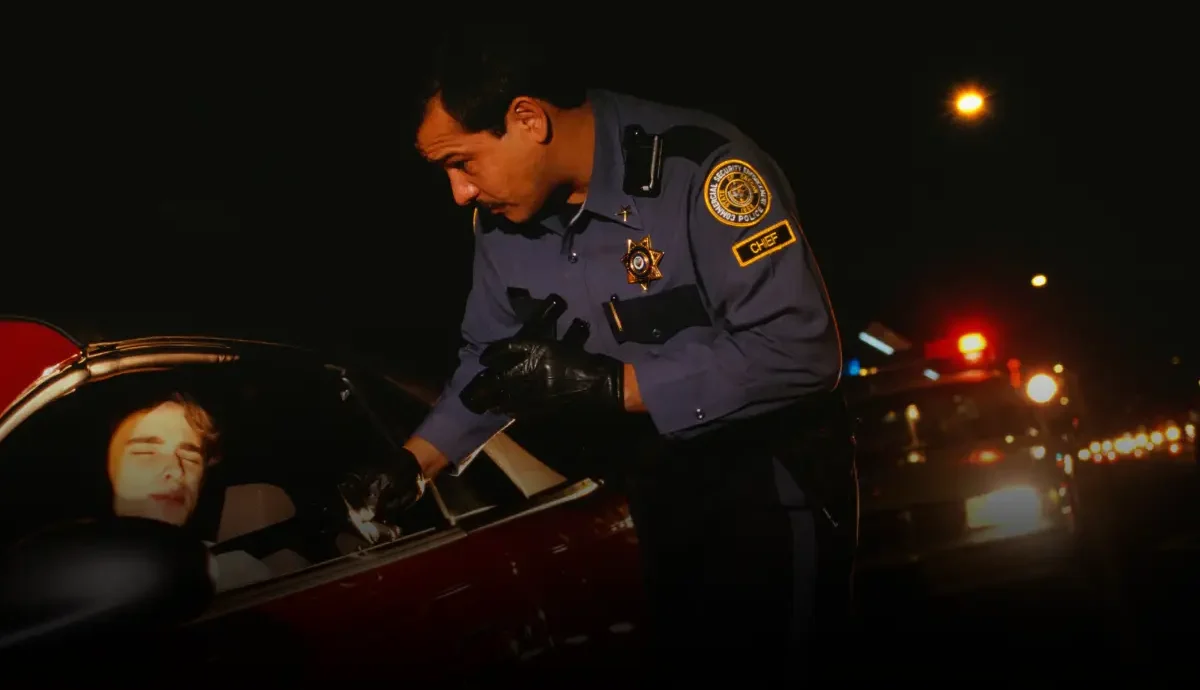
A second impaired driving arrest within 10 years can significantly change how your case moves through courts and administrative agencies. Penalties often increase because prior offenses are treated as aggravating factors under Minnesota DWI laws. You may face mandatory penalties, including jail time, driver’s license restrictions, special registration plates, and participation in an ignition interlock program, before unrestricted driving privileges are restored.
The consequences can also affect your ability to drive for work, maintain vehicle registration, and comply with monitoring requirements ordered by the court or the State Department of Public Safety. DWI Lawyer Minnesota explains how repeat DWI cases are typically evaluated under the state law and how different penalty levels may apply depending on the circumstances of the arrest.
Minnesota Repeat DWI Penalties Increase Significantly
A second offense within ten years usually results in enhanced criminal and administrative penalties. Minnesota treats prior DWI incidents as aggravating factors, which can increase the offense level and trigger additional restrictions involving driving privileges and vehicle registration.
Under the state law, a prior impaired driving incident includes earlier DWI convictions, license revocations, or certain alcohol-related incidents occurring within the previous ten years. Depending on the facts, prosecutors may charge the case as a gross misdemeanor or a more serious offense level if additional aggravating factors exist.
Common penalties may include:
- Mandatory minimum jail requirements
- Extended driver’s license revocation periods
- Plate impoundment orders
- Alcohol assessment and treatment conditions
- Ignition interlock participation requirements
- Increased fines and probation conditions
A repeat offense may also affect insurance costs, employment requirements involving driving, and future eligibility for limited driving privileges.
Know More – How MN DWI Laws Define Offenses and Legal Consequences
Second Degree DWI Charges Affect Classification Levels
A second offense may become more serious when additional aggravating factors exist. In some cases, prosecutors may file charges involving second-degree DWI classifications based on prior offenses and alcohol concentration levels.
Under Minnesota Statutes § 169A.25, second-degree DWI generally applies when two or more aggravating factors are present during the current offense. Aggravating factors may include:
- A prior impaired driving incident within ten years
- An alcohol concentration of 0.16 or higher
- Having a child in the vehicle at the time of arrest
Higher alcohol levels increase restrictions
An elevated alcohol concentration can increase both criminal penalties and administrative restrictions. Courts and the Minnesota Department of Public Safety may impose stricter monitoring conditions when chemical test results show an alcohol concentration of 0.16 or above.
Enhanced restrictions may include:
Aggravating Factor | Potential Additional Consequence |
Alcohol concentration of 0.16 or higher | Longer ignition interlock participation |
Child passenger present | Increased sentencing exposure |
Multiple prior incidents | Higher offense classification |
Refusal to submit to testing | Longer revocation periods |
Classification levels affect both criminal penalties and licensing consequences; some people choose to speak with a DWI lawyer to better understand how these factors may apply to their situation.
Plate Impoundment Rules Apply After Repeat Offenses
A repeat DWI offense can lead to special registration plate requirements and vehicle plate impoundment. The state authorities may seize standard license plates and require restricted plates before the vehicle may legally remain registered.
The state commonly refers to these restricted registrations as “Minnesota DWI plates” or “whiskey plates.” These plates identify vehicles connected to certain impaired driving incidents and may remain required for a designated period.
Restricted plates affect vehicle registration conditions
Plate impoundment requirements can apply to vehicles owned or operated by the driver involved in the offense. The Minnesota Department of Public Safety may require restricted registration before allowing the vehicle to continue operating.
Situations commonly triggering plate impoundment include:
- Multiple impaired driving incidents within ten years
- Test refusal allegations
- High alcohol concentration results
- Certain canceled license statuses
The state may also limit registration privileges involving additional vehicles owned by the driver. This can create complications when family members share vehicle ownership or insurance coverage.
Know More – Field Sobriety Tests in DUI Stops: How They Work and What Officers Look For
Ignition Interlock Requirements Control Driving Privileges
Repeat DWI cases frequently require participation in the ignition interlock IID program before driving privileges can return. The ignition interlock system requires a breath test before the vehicle starts and may require additional testing while driving.
Under Minnesota Statutes § 171.306, the ignition interlock program allows certain drivers to regain limited or full driving privileges while remaining subject to monitoring requirements.
Participation periods often depend on:
- The number of prior impaired driving incidents
- Whether the offense involved test refusal
- Alcohol concentration levels
- Prior ignition interlock violations
- License cancellation history
Monitoring conditions remain active during participation
Participation in ignition interlock programs involves ongoing compliance requirements. Drivers must follow program rules consistently to avoid additional suspensions or extended participation periods.
Common program conditions may include:
- Installing approved interlock equipment
- Completing scheduled calibrations
- Avoiding failed breath samples
- Maintaining insurance and registration compliance
- Paying for monitoring and equipment costs
You may also need to complete chemical dependency assessments or treatment recommendations before unrestricted driving privileges become available again.
Administrative License Consequences Begin Quickly
Administrative penalties can begin before the criminal case concludes. Minnesota’s implied consent process allows the Department of Public Safety to revoke driving privileges shortly after an arrest involving failed testing or test refusal allegations.
The revocation timeline and available driving privileges often depend on prior incidents and aggravating factors connected to the current offense. Some drivers may qualify for limited driving privileges through participation in ignition interlock programs, while others may face longer cancellation periods.
Implied consent proceedings remain separate matters
Administrative proceedings are separate from the criminal prosecution. Even if the criminal case remains pending, license-related consequences may continue independently through the implied consent process.
Potential administrative consequences include:
- Immediate license revocation
- License plate impoundment
- Vehicle forfeiture review
- Limited license restrictions
- Ignition interlock participation requirements
Administrative deadlines can occur quickly after arrest. Understanding the distinction between criminal proceedings and implied consent procedures may help you prepare for multiple case timelines simultaneously.
What Repeat DWI Penalties Mean in Minnesota
A second impaired driving offense within ten years can create overlapping criminal, licensing, and vehicle registration consequences under the state law. Jail exposure, ignition interlock participation, plate impoundment requirements, and extended monitoring conditions often apply together. The exact penalties usually depend on prior incidents, aggravating factors, and whether chemical testing showed elevated alcohol concentration levels.
Repeat DWI cases involve both court proceedings and administrative actions through the Minnesota Department of Public Safety; understanding each process can help you evaluate available options and compliance requirements. A 2nd DWI offense in Minnesota may also affect long-term driving privileges, vehicle ownership restrictions, and future sentencing exposure if additional incidents occur.
You may book a free case evaluation with DWI Lawyers Minnesota at (612) 255-5922 or visiting our Contact Us page.
Frequently Asked Questions
Can you drive while waiting for a second DWI case?
Possibly, but your eligibility depends on whether your license was revoked administratively after the arrest. Some drivers qualify for limited driving privileges or participation in an ignition interlock program while the criminal case remains pending. Administrative eligibility often depends on prior offenses, allegations of test refusal, and whether additional aggravating factors were involved during the arrest.
Do whiskey plates stay on your vehicle permanently?
No, whiskey plates are usually temporary registration restrictions tied to eligibility requirements and compliance periods. However, the duration may increase if you violate ignition interlock conditions or incur additional impaired driving incidents. The state may also impose separate registration restrictions on vehicles you own jointly with another person, depending on title ownership and insurance records.
Does a second DWI always require jail time?
Minnesota law often imposes mandatory minimum jail requirements for repeat offenses, although the exact sentence can vary depending on aggravating factors and probation conditions. Courts may allow alternatives such as electronic home monitoring in certain situations. A second offense involving high alcohol concentration levels or child passengers can increase mandatory sentencing exposure significantly.
Can a repeat DWI affect future felony charges?
Yes, additional impaired driving incidents after a repeat offense can increase the likelihood of future felony-level allegations. The state law considers prior impaired driving incidents when determining enhanced penalties and offense classifications. If you want more information about how prior offenses affect later charges, review our article discussing felony DWI classifications across the state.
Does a 2nd DWI offense in MN always require ignition interlock?
Not every case automatically requires ignition interlock participation, but many repeat offenders must complete ignition interlock IID conditions to regain driving privileges. The requirement often depends on prior incidents, alcohol concentration levels, and whether test refusal allegations were involved. Participation periods may be extended if violations occur during the monitoring program.