A DWI plea bargain can involve reduced charges, lighter sentencing terms, probation-focused agreements, or other negotiated outcomes, depending on the facts of your case. Prosecutors look at factors such as your driving history, alcohol concentration level, and the strength of the evidence before discussing plea options.
Some cases negotiate more favorably than others, especially when legal or procedural issues affect the prosecution’s case. DWI Lawyer Minnesota helps individuals understand how plea bargaining works and what options may apply under the law.
Understanding Your DWI Plea Bargain Options
A plea bargain is an agreement between you and the prosecutor that resolves the criminal case without going through a full trial. In DWI cases, plea negotiations often focus on reducing penalties, modifying charges, or resolving disputed legal issues.
A plea agreement does not automatically erase the offense. Instead, the prosecutor may agree to reduce certain penalties or amend the charge in exchange for a guilty plea. Whether negotiations are possible usually depends on the facts surrounding your arrest and the strength of the prosecution’s evidence.
Several factors commonly affect plea bargaining discussions:
- Your prior DWI history
- Blood alcohol concentration (BAC)
- Whether injuries or accidents occurred
- Presence of aggravating factors
- Compliance with chemical testing
- Quality of the prosecution evidence
Courts still review and approve final plea agreements before sentencing occurs. For official court information regarding criminal procedures, the Judicial Branch provides public legal resources and court guidance.
Can You Negotiate Your DWI Charges
Yes, in some situations, you can negotiate a DWI charge. However, plea bargaining opportunities vary significantly depending on the facts of the case and the county handling the prosecution.
Prosecutors generally evaluate whether reducing charges or modifying sentencing terms aligns with public safety concerns and available evidence. First-time offenders may sometimes receive more negotiation flexibility than individuals with repeat alcohol-related offenses.
When reviewing whether a DWI plea deal arrangement may apply, prosecutors often examine:
- Whether this is your first DWI offense
- Test refusal allegations
- Child passengers inside the vehicle
- Excessive speed or reckless driving
- Open container violations
- Prior alcohol-related convictions
Cases involving injuries, extremely high BAC results, or repeat offenses often face stricter prosecutorial policies. However, procedural or evidentiary concerns may still create opportunities for negotiation in some situations.
After reviewing these factors, some individuals choose to consult a criminal defense lawyer to better understand how plea negotiations may apply to their case.
Common Types Of DWI Plea Agreements
A DWI plea agreement in Minnesota can take several forms depending on the circumstances involved. Some agreements reduce the severity of the offense, while others focus primarily on sentencing outcomes.
Understanding Reduced Charge Agreement Possibilities
In certain situations, prosecutors may agree to reduce a DWI charge to a lesser traffic-related offense. These agreements usually occur when legal or evidentiary weaknesses exist in the prosecution’s case.
Reduced charge negotiations may involve concerns related to:
- Traffic stop procedures
- Field sobriety testing reliability
- Chemical testing issues
- Lack of aggravating factors
- Minimal criminal history
- Limited evidence of impairment
Although reduced charges are possible in some cases, the prosecutors often follow strict DWI charging standards. Because of this, reduced-charge agreements are never guaranteed.
Reviewing Sentencing Recommendation Agreement Options
Sometimes the original DWI charge remains unchanged, but prosecutors agree to recommend reduced sentencing conditions. This type of plea agreement commonly focuses on limiting penalties rather than reducing the offense itself.
Possible sentencing recommendations may include:
- Reduced jail time
- Community service alternatives
- Probation-focused resolutions
- Alcohol education requirements
- Treatment-based sentencing programs
These agreements frequently arise when the evidence strongly supports the charge, but mitigating factors remain.
Understanding Stay Of Adjudication Possibilities
A stay of adjudication delays the entry of a conviction while you complete court-ordered conditions. Although not available in every DWI case, some counties may consider alternative resolutions in limited situations.
Conditions often include:
- Remaining law-abiding during probation
- Completing treatment programs
- Attending alcohol education classes
- Avoiding additional criminal violations
Availability depends heavily on prosecutorial discretion and county-specific policies.
Important Factors Affecting DWI Negotiations
When prosecutors review whether to negotiate a DWI charge down, they examine both legal evidence and public safety concerns. Every DWI case presents unique facts, which means plea negotiations can vary significantly between courtrooms and counties.
Several factors commonly influence whether negotiations become more flexible or more restrictive.
Why Prior Offense History Matters
Your prior criminal and driving history strongly affect plea negotiations. First-time offenders often face a law that treats repeat offenses more seriously because repeated impaired driving raises ongoing public safety concerns. As a result, prosecutors may limit reduced-charge offers when prior convictions already exist.
Additionally, prior offenses can increase the severity level of the current charge, potentially resulting in enhanced penalties.
How Chemical Test Results Matter
Blood alcohol concentration levels often influence how prosecutors approach plea discussions. Higher BAC results may reduce flexibility because elevated alcohol levels generally support enhanced penalties under the law.
However, testing-related issues sometimes become important during negotiations. Questions involving:
- Testing equipment calibration
- Officer training procedures
- Observation periods
- Chain of custody concerns
- Delays between driving and testing
may affect how prosecutors evaluate the strength of the evidence.
How Constitutional Issues Affect Negotiations
Defense attorneys frequently review whether law enforcement followed constitutional procedures during the traffic stop, arrest, and investigation process.
Potential legal concerns may include:
- Improper traffic stop procedures
- Unlawful vehicle searches
- Miranda rights violations
- Defective warrants
- Incomplete police documentation
If significant evidentiary concerns exist, prosecutors may be more willing to discuss compromise agreements to avoid evidentiary disputes during trial proceedings.
Why Aggravating Circumstances Reduce Flexibility
Certain facts make plea bargaining more difficult because state law classifies them as aggravating circumstances.
These aggravating factors commonly include:
- Accidents involving injuries
- Child passengers present
- Test refusal allegations
- Extremely high BAC levels
- Prior alcohol-related incidents
Cases involving aggravating factors often carry enhanced penalties and stricter plea negotiation policies.
Potential Consequences After Following Plea Agreements
Even when plea negotiations result in reduced charges or modified sentencing recommendations, a DWI case can still create long-term legal and financial consequences.
A DWI plea bargain outcome may affect:
- Driver’s license status
- Insurance premiums
- Employment opportunities
- Professional licensing
- Criminal background checks
- Immigration considerations
- Probation obligations
The exact penalties depend on both the negotiated agreement and the court’s final approval.
Additionally, administrative license consequences often proceed separately from the criminal court case. Because of this, resolving the criminal charge does not always prevent license suspension or the requirement of an ignition interlock.
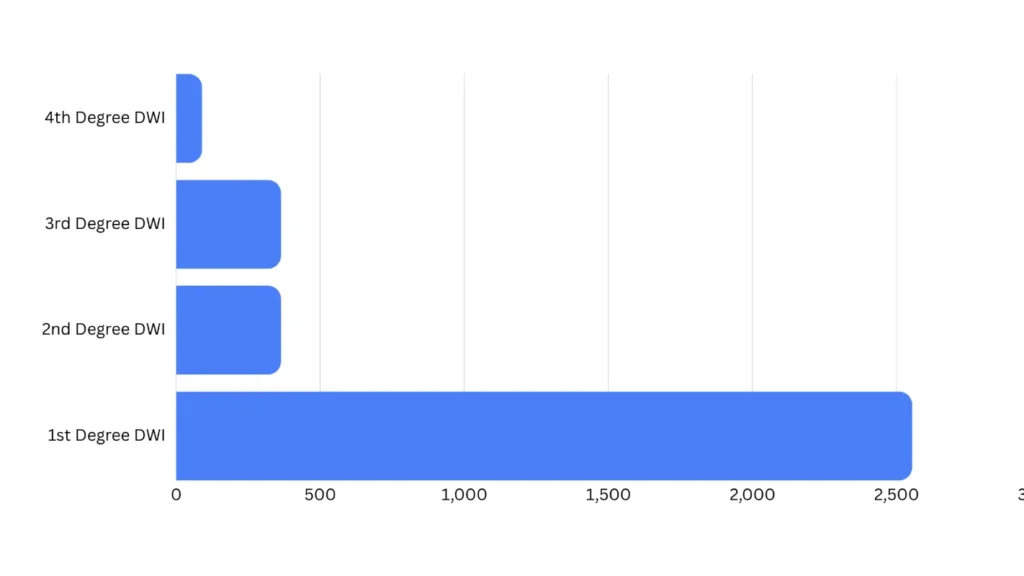
Understanding Different DWI Offense Level Breakdowns
Classifies DWI offenses into different degree levels depending on prior history and aggravating factors. Generally, repeat offenses and more serious circumstances lead to higher-level charges and stricter penalties.
Source: Legislature’s DWI‑law overview
As the chart shows, first-degree DWI offenses usually involve the most serious repeat-offender situations. Meanwhile, second-, third-, and fourth-degree offenses often apply in less severe or first-time cases. The severity of the charge frequently affects whether plea-bargaining opportunities exist and how prosecutors evaluate potential agreements.
Know more about: How 4th Degree DWI MN Cases Are Classified and Handled in Minnesota Courts
Reviewing DWI Plea Offers Before Acceptance
Accepting a plea agreement may resolve uncertainty, but it can also create long-term consequences that continue beyond the immediate court process. Before accepting any plea offer, you should fully understand both the short-term penalties and future implications.
Important issues to review include:
- Criminal record consequences
- Future DWI enhancement rules
- Insurance rate increases
- Employment background concerns
- Professional licensing restrictions
- Immigration-related effects
- Probation compliance requirements
You should also understand whether the agreement requires participation in treatment, community service obligations, or future reporting conditions.
Additionally, plea agreements generally involve waiving certain trial rights. Because of this, reviewing all available evidence before making decisions remains important.
For additional legal information, the Minnesota Revisor of Statutes provides access to DWI statutes and sentencing laws.
Understanding Your Available DWI Plea Options
A DWI plea bargain in a Minnesota case may involve different outcomes depending on your prior history, the evidence, and the circumstances surrounding the arrest. Some cases result in reduced charges or negotiated penalties, while others may involve stricter consequences because of aggravating factors or repeat offenses.
Understanding how plea agreements work can help you better evaluate your legal options. DWI Lawyer Minnesota assists individuals by reviewing evidence and explaining possible case outcomes. To learn more about your situation, call (612) 255-5922 or send us a message through our Contact Us page.
Frequently Asked Questions
What are the odds of winning a DWI plea bargain?
Success depends heavily on uncovering critical evidentiary flaws. If an attorney identifies serious issues with the traffic stop’s legality or blood-alcohol testing procedures, prosecutors often reduce the charges to minimize trial risks. However, strong evidence limits the leverage in negotiations, making a proactive defense strategy and an early review of the file vital to achieving a favorable resolution.
Can an attorney help reduce my charges?
Yes. Defense counsel thoroughly evaluates police reports and video footage to negotiate lower offense degrees, minimize statutory fines, and substitute jail time with probation, electronic home monitoring, or community service. An attorney also protects your rights by ensuring prosecutors do not rely on weak or unconstitutionally obtained evidence to force an unfavorable, rushed plea agreement.
How long do plea negotiations take?
The timeline varies from a few weeks to several months, depending on the availability of evidence, court backlogs, and defense motions. If your attorney files specific constitutional motions to suppress testing results or challenge the stop, the process takes longer, but it often forces prosecutors to offer better terms as the risks of going to trial increase for the state.
Should I accept the first plea offer?
Rarely. Initial offers are almost always made before the defense has an opportunity to review bodycam footage or breathalyzer calibration logs. Evaluating all state evidence first ensures you understand the actual strength of the prosecution’s case, preventing you from accepting an unfavorable agreement based strictly on fear, stress, or immediate courtroom pressure.
Will a plea deal protect my license?
Not automatically. In many DWI plea bargains in Minnesota cases, administrative license revocation is handled separately by the Department of Public Safety. A criminal plea bargain may reduce jail time or lower the charge degree, but you may still face independent administrative penalties, reinstatement fees, or ignition interlock requirements, depending on your chemical test results or refusal allegations.